
In Situ
Four large-scale works on a coastal site, by architects and designers invited to interpret the themes of the exhibition through their own lens.
While the exhibition explores Qamīs through craft, material, and the logic of making, In Situ follows the histories the shirt carries: civilizations, migration, exchange, and the transmission of knowledge. Of deep time and its physical traces. These works ask not how the garment is made but what it carries: the civilizations that produced it, the exchanges that shaped it, the knowledge that survived when everything else disappeared.
Each installation is a distinct interpretation; of endangered craft knowledge, of natural dye and symbol, of diaspora and migration, of Mediterranean exchange. Together they form a parallel circuit to the interior exhibition: a separate journey, at the scale of the site and the sea, that the interior alone could not hold.
Knowledge at Risk
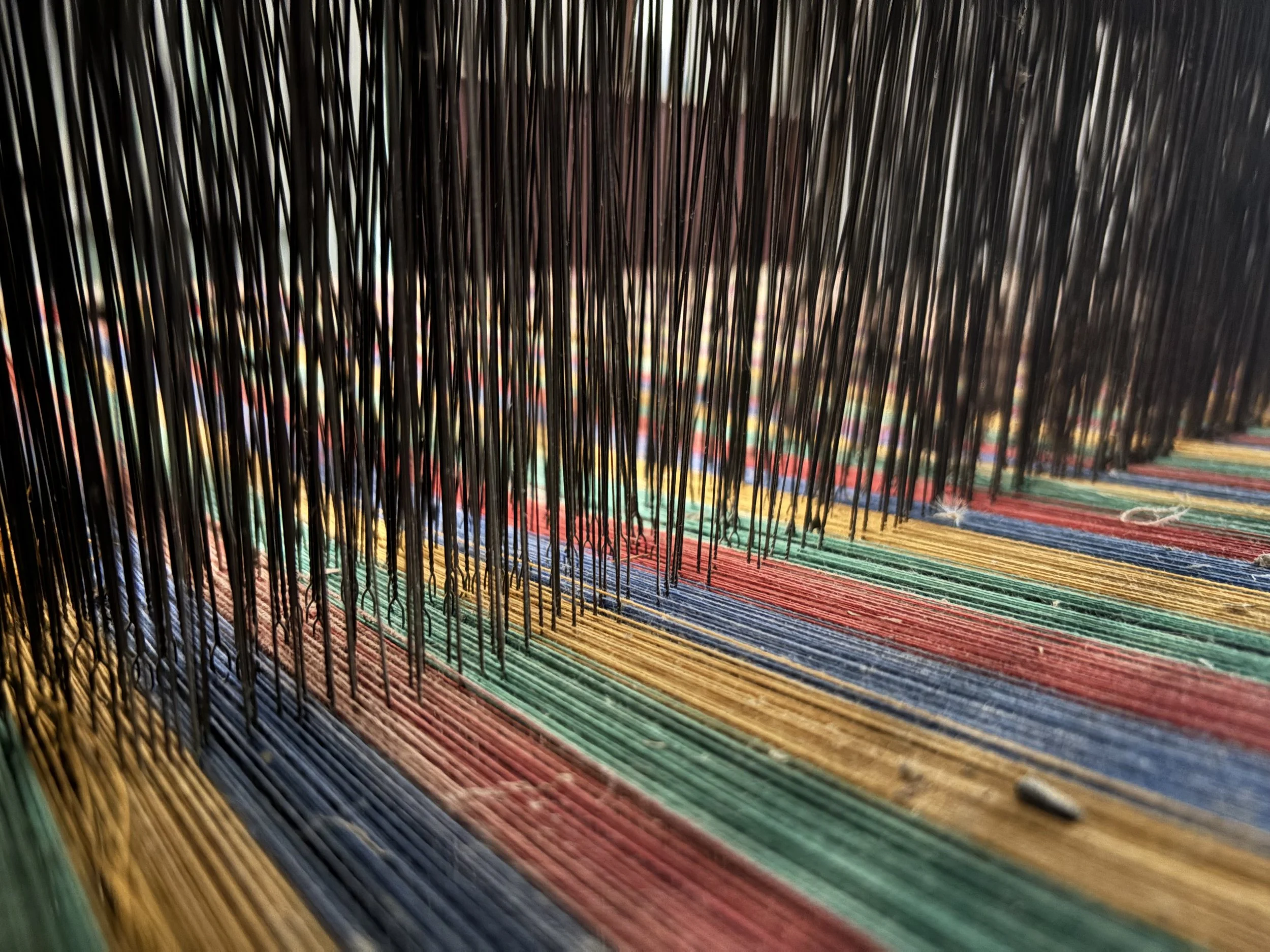
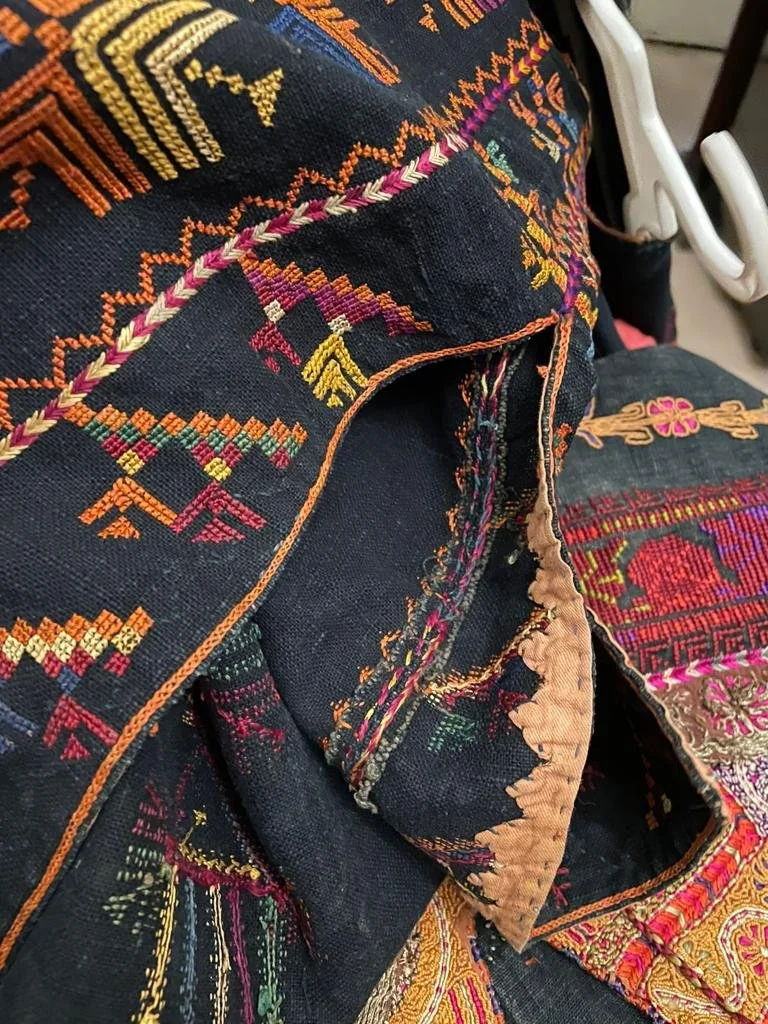
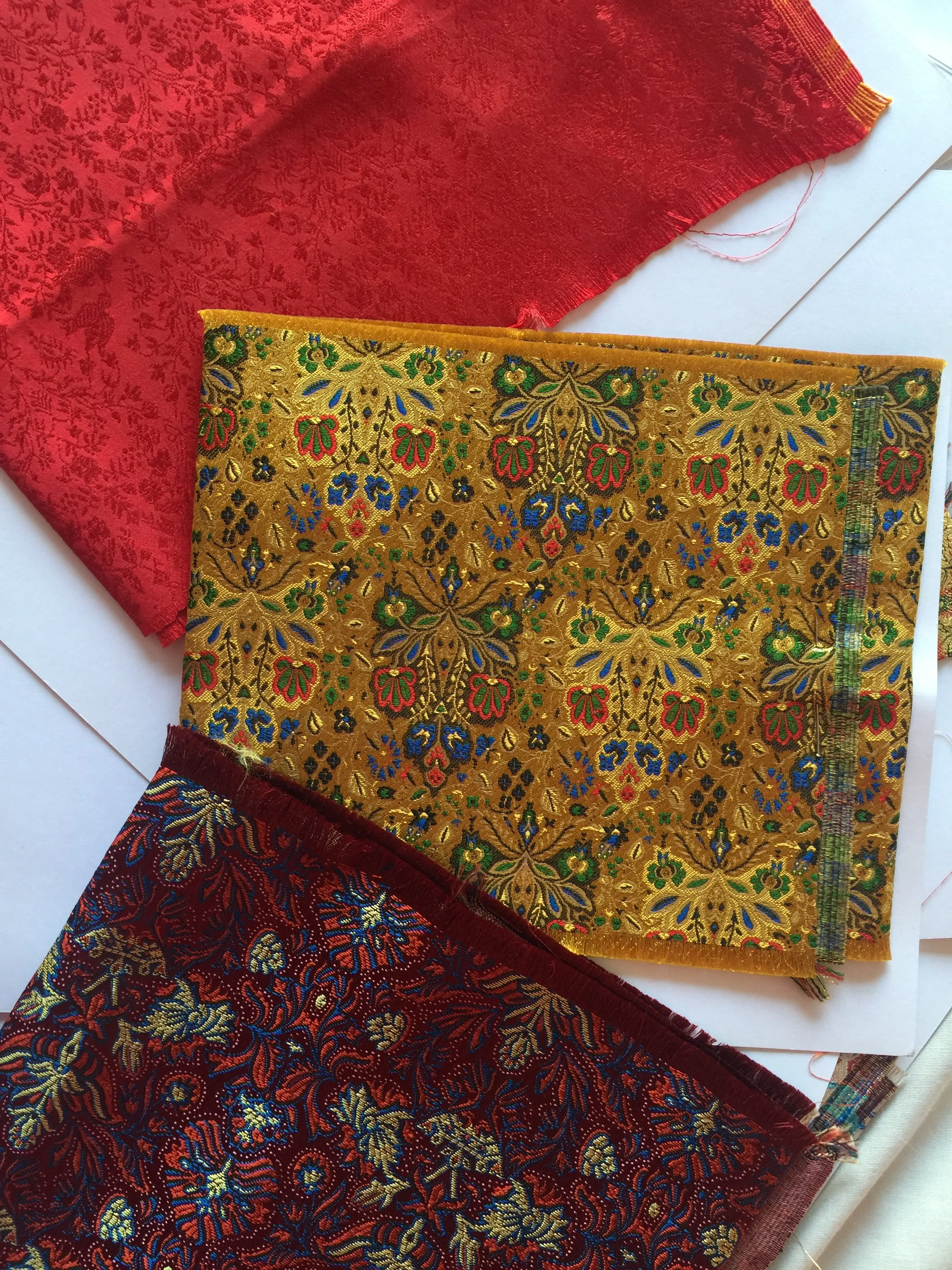
The bespoke shirt was never just a garment. It was a system of gestures and decisions accumulated over generations in the workshops of Beirut, Tripoli, and Saida — a system now disappearing, its masters increasingly few. This installation holds the full weight of that knowledge: looms, archival textiles, private collections, encountered directly rather than displayed.
Lead:
Samer Al Ameen
Signs and Incantations
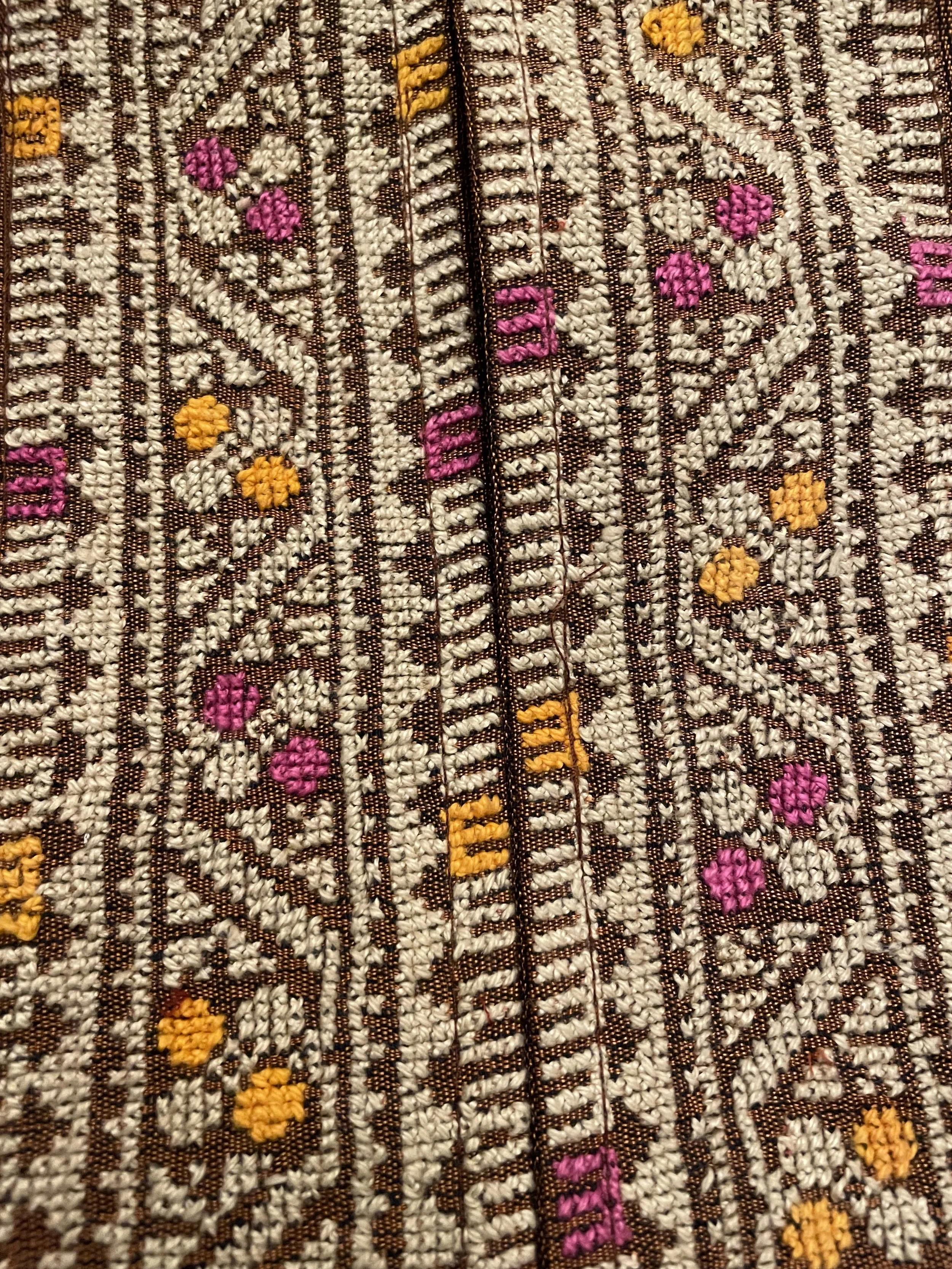
Before the garment was cut, before the loom was warped, there was color — and in this part of the world, color has never been innocent. Murex, indigo, pomegranate, the tree of life: not ornament, but a geography and a cosmology made visible. This installation invites an encounter with a living system of meaning rather than an explanation of one.
Leads:
Migrations
When the migrations came, what traveled was not only people, but knowledge: a way of cutting, a vocabulary for fabric, carried in trunks and on bodies to São Paulo, Tokyo, Detroit. This installation follows specific families and the stubbornness of transmission: what survives when the workshop that produced it no longer does.
Lead:
Mediterranean Exchange
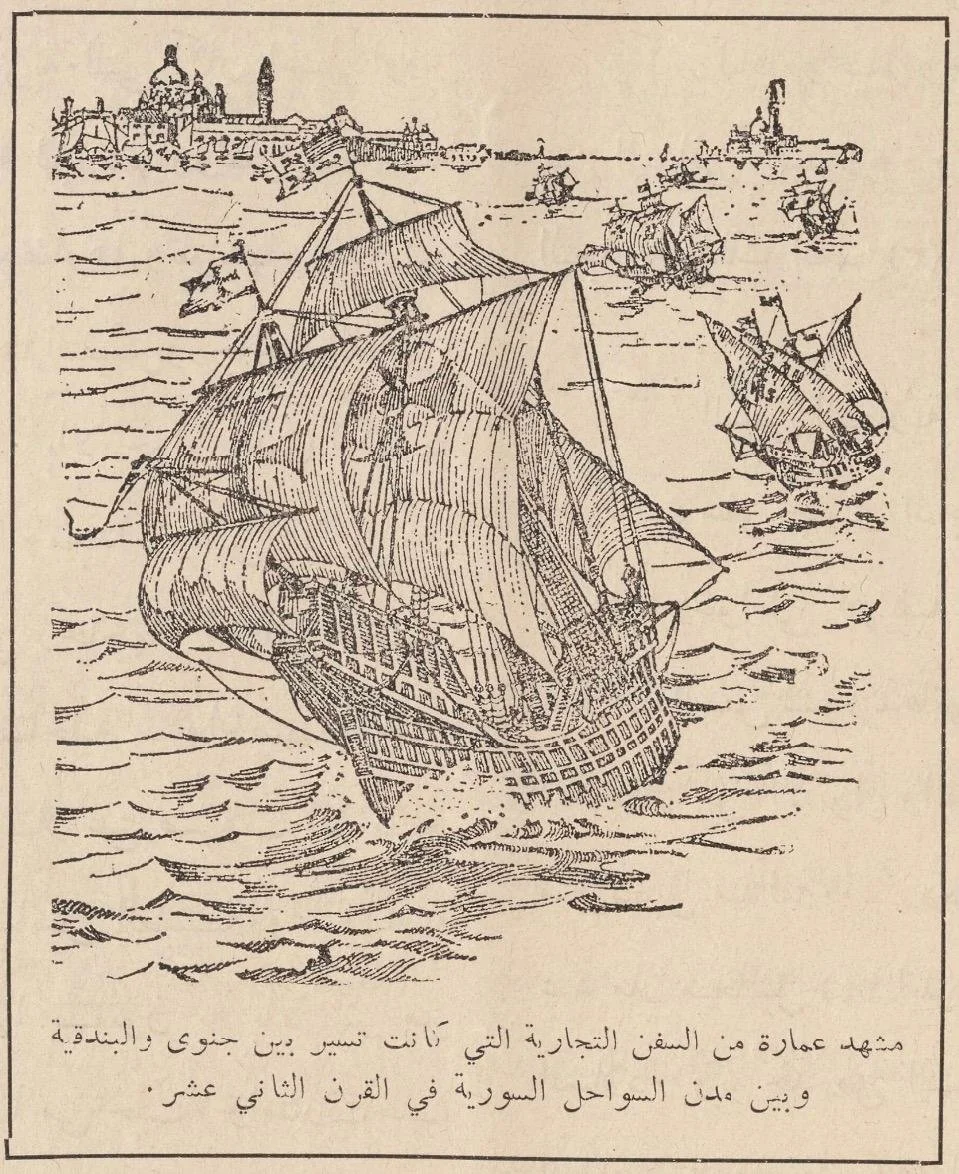
A way of pleating traveled from the Eastern Mediterranean to a palazzo in Venice, becoming the Delphos dress. This installation is a place to be: seats facing the sea, the Fortuny archive held in dialogue with local and regional ones, on equal terms, asking what remains once centuries of exchange are no longer separable from identity itself.
Lead: